
Albuquerque & Bernalillo County · Rodents only
Rodent Control in Albuquerque, NM
Heard scratching in the walls or found a pack rat nest in the garage? Get experienced rat, mouse, and pack rat help that clears them out and seals the way back in.
Rodent help built for Albuquerque homes
Get the rats, mice, and pack rats out, then keep them out
If you need rodent control in Albuquerque, NM, you want two things: the rodents gone now, and a house sealed up tight so they do not come straight back. That is the whole focus here. House mice, deer mice, roof rats, Norway rats, and pack rats each behave differently, nest in different parts of the house, and take different work to stop, so a rodent-focused plan beats a one-size treatment every time.
Call and describe what you are hearing or finding, and an experienced rodent technician sets a plan for the inspection, then clears the house and seals it. From the first call to the last sealed vent, the goal is a quiet, rodent-free home.
Rats, mice & pack rats
The whole rodent job, start to finish, not a general pest route.
Day or night
A real person on the phone, seven days a week, any hour.
Upfront pricing
A clear plan and no-surprise pricing before any work begins.
Bernalillo County
Albuquerque and the surrounding towns and villages.
Why Albuquerque homes get rodents
The high desert, the bosque, and the foothills all push rodents indoors
Albuquerque gives rodents a lot to work with, and it is not the same picture as a wetter city. Along the Rio Grande, the bosque and the old acequias that thread the North Valley, South Valley, Corrales, and Los Ranchos hold water, cover, and food, and roof rats and Norway rats work those corridors into nearby homes. Up against the Sandia foothills and out on the West Mesa near the volcanoes, the desert edge is pack rat and deer mouse country, where woodrats build bulky stick-and-cactus nests in garages, sheds, woodpiles, and even engine compartments, and deer mice slip into outbuildings.
The housing stock adds its own gaps. Flat-roofed stucco homes have canales, parapets, and roof vents that open up over time, and the weep screed and stucco cracks near the foundation give mice a way in. Older adobe and historic homes in Old Town, Barelas, and the valley have settled walls and crawl spaces. Swamp-cooler lines, gas lines, and pipe penetrations punch through the exterior, and the block walls and xeriscaped rock and gravel yards that are everywhere in Albuquerque give rodents cover right up to the house. Our climate does the rest. Cold high-desert winters at over five thousand feet push mice indoors in fall, hot dry summers send rodents toward shade and water, and the late-summer monsoon shifts them around again. The result is steady rodent pressure across the whole metro, all year.
Here is how it works. Call and describe what you are hearing or finding, and an experienced rodent technician sets a plan for the inspection. Once the nest zones, runways, and entry points are mapped, the traps go where the rodents actually travel, the population gets cleared, and the work is monitored until the noise stops. Then the roof vents, canales, and foundation gaps get sealed so the next colony cannot follow the same path in. Where a nest left a mess in the attic or garage, the space gets cleaned and sanitized.
Know the signs
Signs you have rodents, not something else
Rats, mice, and pack rats leave a specific trail. If any of these sound like your home, it is worth a call before the population grows.
Scratching in the walls at night
A steady scratch, scurry, or gnawing overhead or in a wall after dark almost always means rats or mice are moving through the attic or wall voids.
Droppings in the pantry or garage
Dark, rice-sized pellets from mice or larger tapered droppings from rats along a wall, shelf, or garage floor mean rodents are feeding and traveling a set path.
Gnaw marks on wires and wood
Fresh chew marks on wiring, vigas, or food packaging point to an active rodent problem and a real fire and damage risk, including chewed vehicle wiring.
A bulky nest of sticks and debris
A pile of twigs, cactus, insulation, and shiny odds and ends in a shed, garage, or engine bay is the classic sign of a pack rat, or woodrat, moving in.
A musky, ammonia-like smell
A heavy, musty odor in the attic, garage, or along a wall usually means a nest, urine buildup, or a rodent that has died in a hidden spot.
Grease trails and rub marks
Rats and mice follow the same runways every night and leave dark, oily rub marks where their fur drags along studs, block walls, and edges.
What we handle
Rodent Control Services in Albuquerque
Rats, mice, and pack rats only, start to finish: get them out, keep them out, and clean up what they left behind. Pick the help you need or call and we will point you to it.
Inspection & Assessment
Find the nests, the runways, and every gap rats, mice, and pack rats use to get inside.
See this service →
Trapping & Removal
Traps placed on the runways in your attic, walls, and garage, checked until the noise stops.
See this service →
Exclusion & Prevention
Seal the vents, canales, and foundation gaps that let Albuquerque rodents back inside.
See this service →
Rat Control
Roof rats up high, Norway rats down low, both cleared and sealed out.
See this service →
Mouse Control
House mice and deer mice slip through a dime-sized gap. Get them out and seal the way in.
See this service →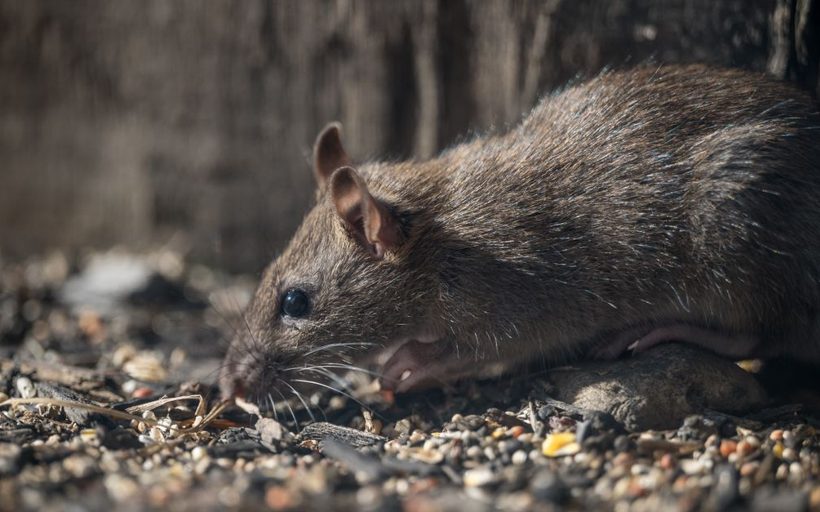
Pack Rat Control
Clear pack rats and their bulky nests from garages, sheds, engine bays, and yards.
See this service →Where we work
Rodent control across the Albuquerque area
From the bosque homes of the North Valley to the foothill lots below the Sandias and the West Side subdivisions on the mesa, rats, mice, and pack rats work the same routes: the ditches, the desert edge, the block walls, and the gaps around the roof and foundation. Get an experienced rodent technician on your street, day or night.
- Albuquerque
- Rio Rancho
- Corrales
- Los Ranchos
- Bernalillo
- Placitas
- Tijeras
- Los Lunas
- Sandia Park
- Bernalillo County
Albuquerque neighborhoods we cover: Nob Hill, Old Town, North Valley, South Valley, Northeast Heights, Ridgecrest, Barelas, Downtown, and more.
A clear plan
How rodent control works, step by step
No mystery and no runaround. Here is the path from the first call to a rodent-free, sealed-up home.
Call and describe the problem
Tell us what you are hearing and where. You get straight rodent advice on the phone and a plan for the next step, day or night.
Full inspection
An experienced rodent technician walks the attic, roofline, foundation, garage, and yard to find the nest zones, the runways, and every way in.
Trap, remove, and treat
Traps go on the active runways, the rats, mice, and pack rats get cleared, and the work is monitored until the activity stops.
Seal and prevent
The roof vents, canales, and foundation gaps that let rodents in get sealed so the problem does not come straight back.
Why a rodent-only focus matters
Rats, mice, and pack rats are a different job than general pest control
A general pest route sprays a baseboard and moves on. Rodents need something else: a technician who reads a stucco roofline and a canale, finds the runways in an attic, tells a roof rat from a deer mouse, and knows how a pack rat builds a nest in a garage or an engine bay. That is the whole point of a rodent-only approach.
- Every rodent, worked the right wayHouse mice, deer mice, roof rats, Norway rats, and pack rats, each handled for how it actually behaves.
- Traps on the real runwaysSet where grease trails, droppings, and nests show the rodents travel, not in random spots.
- Sealed so it lastsRoof vents, canales, stucco gaps, and foundation openings closed so the next colony cannot follow the same path in.
- Cleanup and safetySoiled insulation and nests cleared and sanitized, handled carefully given the hantavirus risk from deer mice.
Good to know
Rodent control questions Albuquerque homeowners ask
How much does rodent control cost in Albuquerque?
The price depends on whether you have mice, rats, or pack rats, how far they have spread, whether they are in the attic, walls, garage, or a vehicle, and how much sealing the house needs to keep them out. After an inspection you get upfront, no-surprise pricing before any work starts, so you can decide with the full picture in front of you.
Do I have mice, rats, or pack rats?
Mice are small and leave rice-sized droppings, often near the kitchen. Rats are larger, chew bigger holes, and make a heavier sound in the ceiling or walls. Pack rats, or woodrats, build a bulky nest of sticks, cactus, and shiny debris in a garage, shed, or engine bay and are common along the desert edge and foothills. A quick inspection settles which rodent you have and points the work in the right direction.
How are rodents getting into my Albuquerque home?
Rodents use the gaps a high-desert home tends to open up: roof vents and canales, stucco cracks and weep screed gaps, the spots where pipes and swamp-cooler lines pass through the wall, garage door corners, and foundation gaps. Pack rats and deer mice press in from the arroyos, block walls, and desert landscaping. Sealing those routes is the part that keeps them from coming back.
Are the rodents in my house dangerous?
Rats and mice gnaw wiring, which is a real fire risk in walls, attics, and even vehicles, and they contaminate food and surfaces with droppings and urine. In New Mexico, deer mice can carry hantavirus, which spreads through contact with their droppings and urine, so dry droppings should not be swept or vacuumed up without care. Acting on the first signs, and cleaning up safely, matters here.
How fast can someone come out?
Call and describe what you are hearing and a plan gets set right away, day or night. For rats or mice loose in the living space, ask about emergency rodent removal so the situation gets handled quickly.
Do you handle rodents only, or other pests too?
This is a rat, mouse, and pack rat focus, start to finish. Roof rats, Norway rats, house mice, deer mice, and woodrats are the whole job, which means the inspection, trapping, and exclusion are built around how rodents actually move through an Albuquerque home, not squeezed in around a general pest route.
Stop the scratching in the ceiling.
Get an experienced rodent technician on the job in Albuquerque. Call day or night and describe what you are hearing.